Beekeeping in Australia offers a rewarding way to support pollinators, understand local ecosystems and enjoy the fascinating world of bees. Whether you're starting a backyard project or expanding an existing setup, choosing the right hive is an important first step. Understanding the different options available can help you make a practical decision based on your experience, location and the type of bees you want to support.
Understanding Beekeeping in Australia
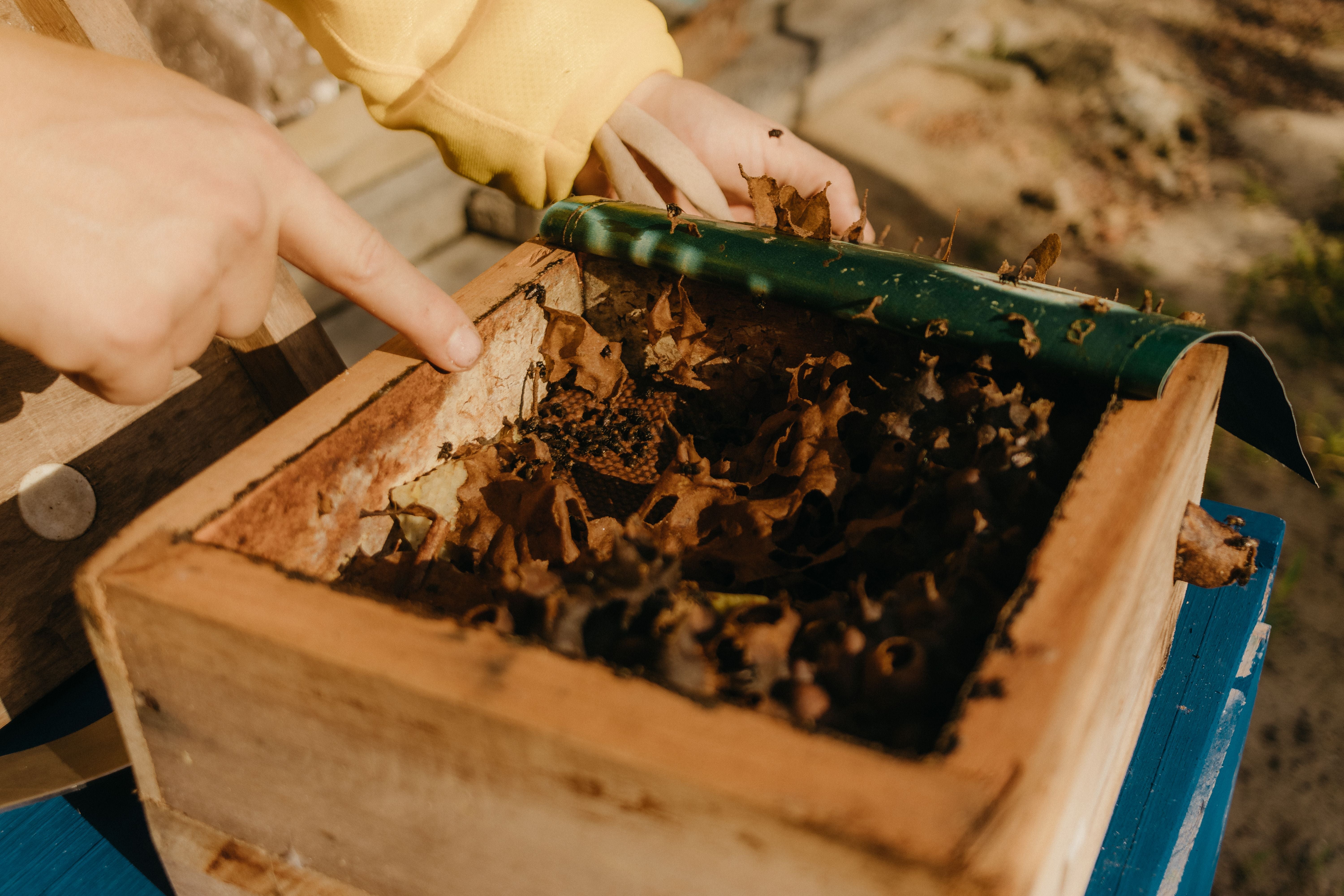
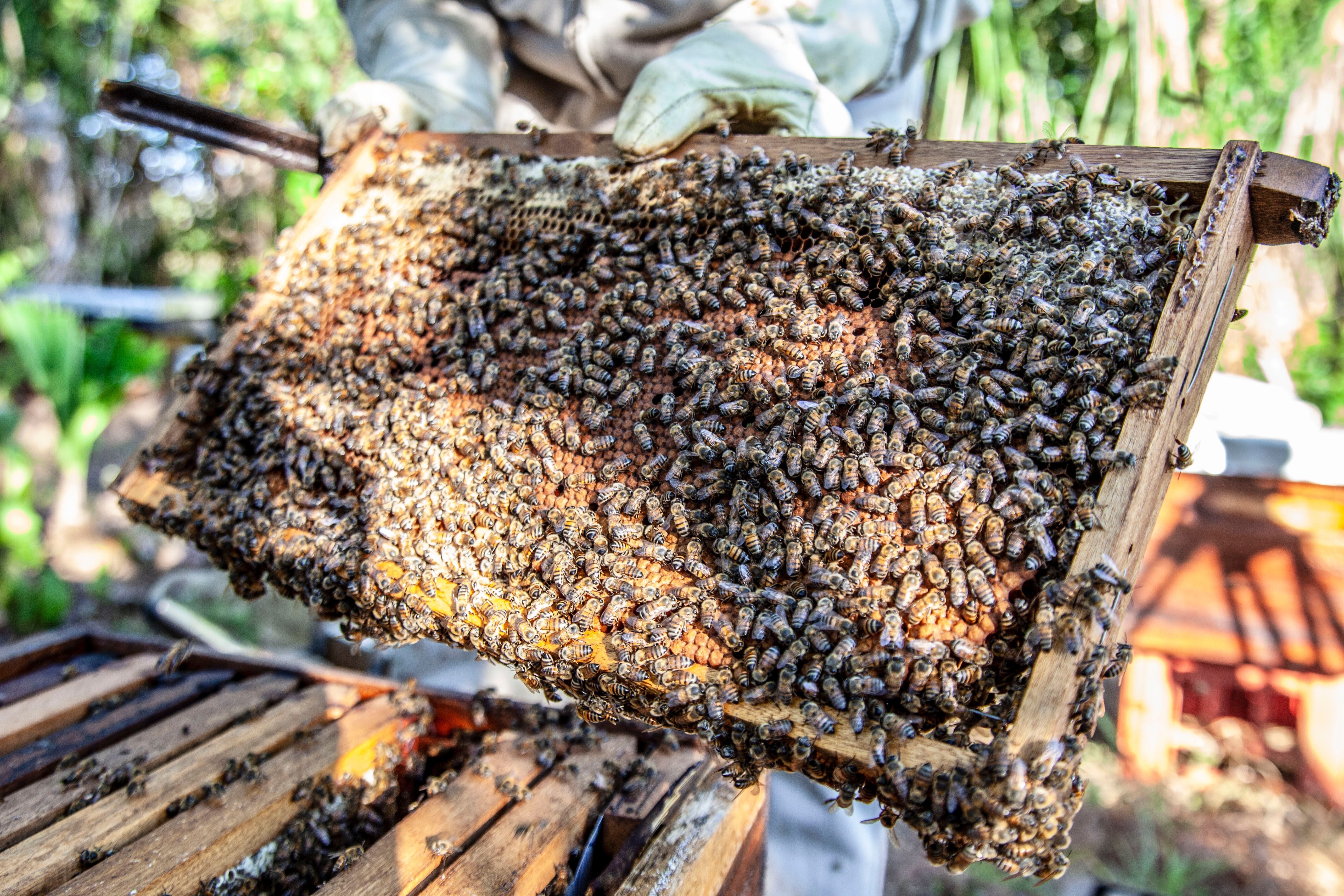
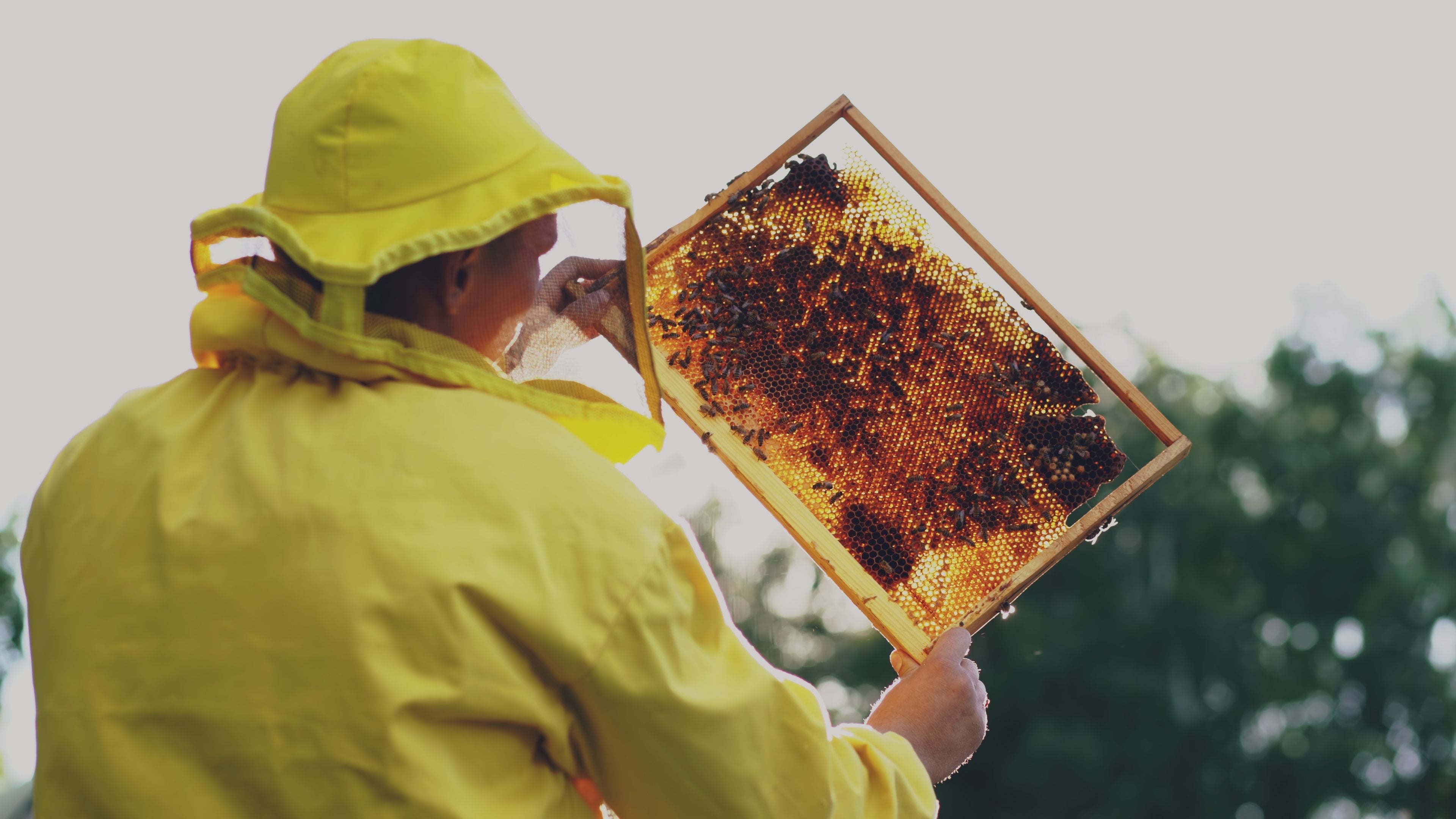
Australian beekeeping includes several different approaches. Traditional European honey bee keeping focuses on managing colonies for honey production, pollination and hive health. Native bee keeping, on the other hand, often involves supporting Australia's native stingless bees or providing nesting spaces for solitary native species.
Before purchasing equipment, consider which type of bees you want to attract or manage. Their housing requirements, colony behaviour and maintenance needs can differ considerably.
For beginners interested in native pollinators, researching a native bee hive for sale is a useful starting point. Make sure the product is designed for the particular native bee species you intend to support.
Choosing a Suitable Native Bee Hive
Not every bee house is suitable for every species. Some native bees are solitary and nest individually in tunnels, while stingless bees live in social colonies. Their housing requirements are different, so choosing the right structure matters.
When comparing a native bee hive for sale, consider:
- Species suitability: Check whether the hive is designed for solitary or social native bees.
- Materials: Look for durable materials that can withstand local weather conditions.
- Placement: Choose a sheltered position with suitable sunlight and protection from strong winds.
- Access: Make sure you can inspect or maintain the hive when necessary.
- Construction: Check that the design provides appropriate nesting conditions.
A well-designed hive should support the bees' natural behaviour rather than simply provide an attractive garden feature.
Getting Started with Responsible Beekeeping
Successful Australia beekeeping begins with preparation. Learn about the bee species in your region, local regulations and the environmental conditions that influence their activity.
For native bees, flowering plants can provide valuable food sources. Planting a variety of locally suitable flowering species helps provide nectar and pollen throughout different seasons. Avoid unnecessary disturbance around established nesting sites.
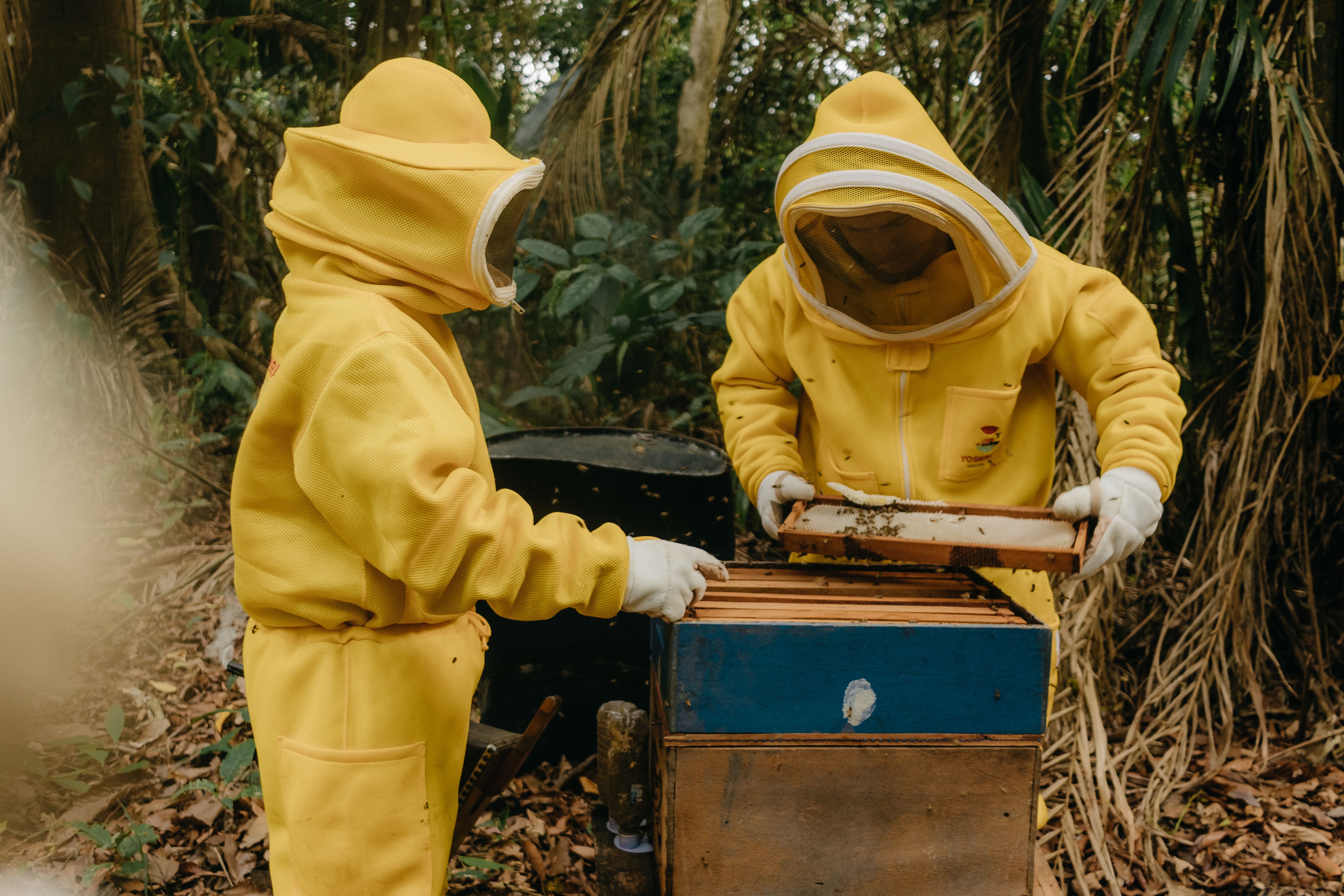
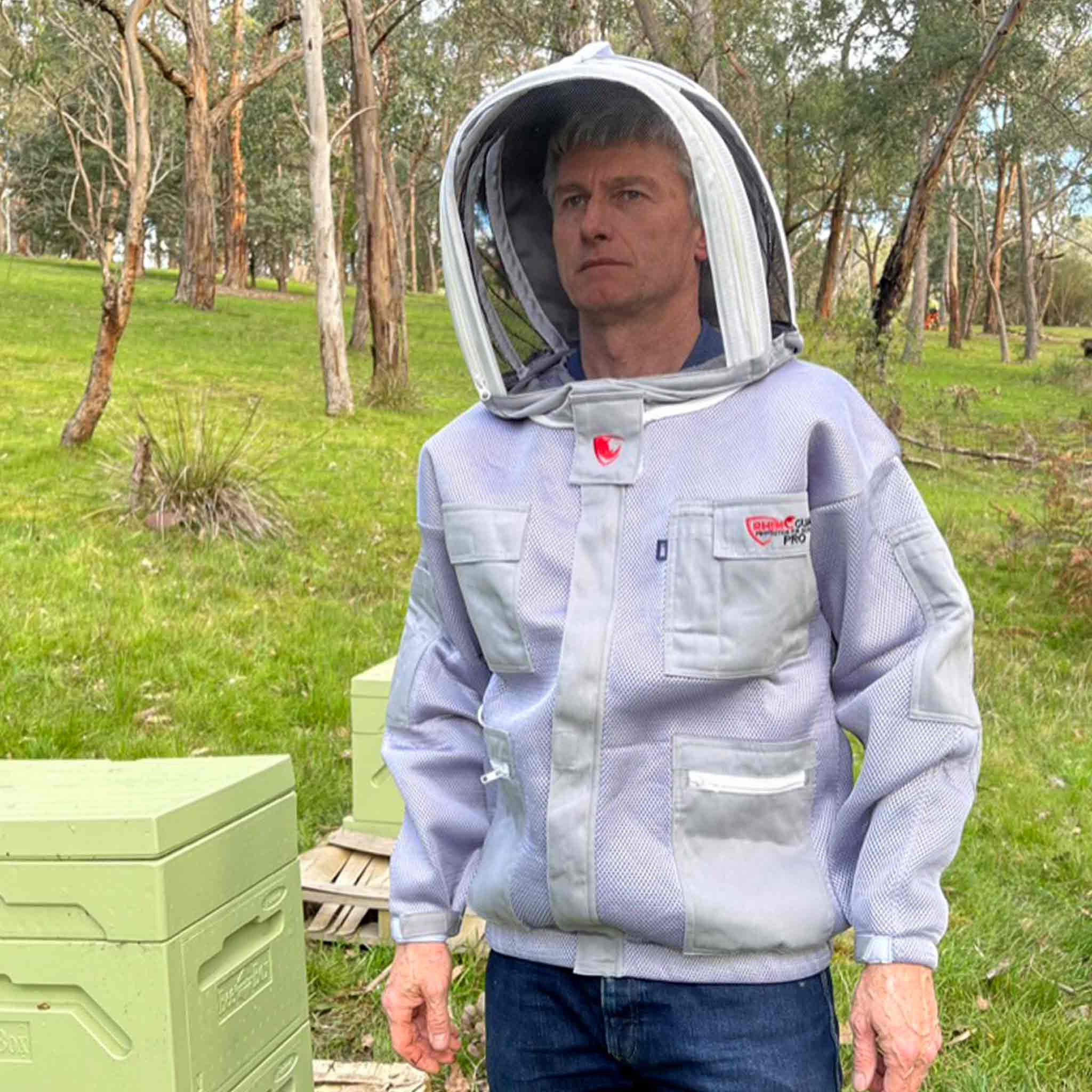
If you're interested in honey bees, you'll also need to understand colony inspections, feeding, pest management and seasonal hive maintenance.
Supporting Australia's Native Pollinators
Native bees play an important role in Australian ecosystems. Providing suitable nesting opportunities and maintaining bee-friendly gardens can help support local biodiversity.
A carefully selected native bee hive for sale can be part of a broader effort to encourage pollinator activity around your property. However, it is important to select equipment appropriate to the species rather than assuming all bees use the same type of housing.
Final Thoughts
Choosing the right equipment makes beekeeping more enjoyable and helps create better conditions for healthy colonies. Whether you're exploring native bee habitats or developing a honey bee setup, take time to understand your local species and their needs.
With the right preparation, Australia beekeeping can become a rewarding long-term hobby that benefits both your garden and the wider environment.